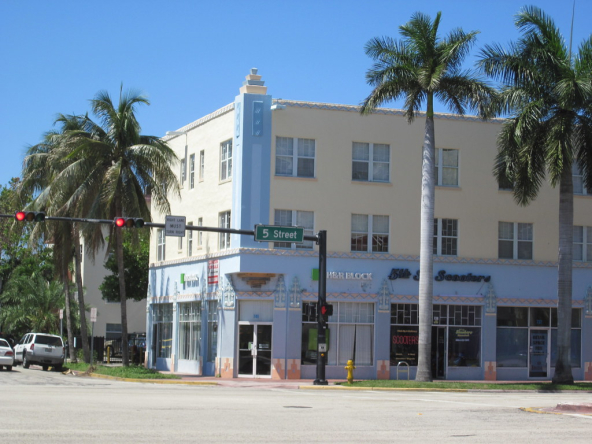
Dreaming of owning a piece of paradise in Florida? With its stunning beaches, vibrant culture, and favorable climate, it’s no wonder that many people aspire to call the Sunshine State home. However, buying a home in Florida can be a complex process, especially for those new to the real estate market.
This comprehensive guide will walk you through the steps involved in purchasing a home in Florida. From understanding the market dynamics to closing the deal, we’ll cover everything you need to know to make your dream of owning a Florida home a reality.
So, let’s dive in and explore the exciting world of Florida real estate!
Is it worth buying a house right now in Florida?
Despite rising mortgage rates, the Florida real estate market remains a strong investment opportunity. The combination of robust demand and limited inventory continues to fuel price appreciation. While affordability challenges persist, buying now could offer long-term benefits.
Key factors supporting this outlook include:
- Consistent demand: Florida’s appeal as a desirable place to live remains high.
- Limited inventory: The shortage of available homes for sale drives up prices.
- Economic resilience: Florida’s economy has shown strength, supporting the housing market.
While the market is dynamic and subject to fluctuations, current trends suggest that purchasing a home in Florida remains a viable investment.
Would you like to explore specific regions in Florida or discuss other factors influencing the housing market?
Here are some key tips for buying a home in Florida:
Get Pre-Approved for a Mortgage
Before starting your home search, get pre-approved for a mortgage loan. This will show sellers you are a serious buyer and allow you to know your maximum budget.
Find a Real Estate Agent
Work with an experienced real estate agent who specializes in the area where you want to buy. A good agent can guide you through the entire home buying process and negotiate on your behalf.
Research Neighborhoods
Explore different neighborhoods and cities to find the right fit for your lifestyle, budget, and needs. Consider factors like school districts, crime rates, amenities, and commute times.
Attend Open Houses
Attend open houses to get a feel for different homes and neighborhoods. This allows you to see homes in person before making offers.
Make a Competitive Offer
Once you find your desired home, work with your agent to submit a competitive offer based on recent comparable sales. Be prepared to act quickly in a hot market.
Get a Home Inspection
After an offer is accepted, hire a licensed home inspector to evaluate the property’s condition and uncover any potential issues.
Secure Homeowners Insurance
You’ll need to purchase a homeowners insurance policy before closing on the home purchase.The home buying process can be complex, so working closely with experienced real estate professionals is highly recommended when purchasing a home in Florida.
What Are The Requirements To Buy A Home In Florida?
To purchase a home in Florida, you’ll need to meet certain financial and documentation requirements. You’ll need a pre-approval letter from a lender to determine your budget and potential mortgage options. While a 20% down payment is ideal, programs exist for lower down payments. A good credit score (generally 620 or higher) is essential for securing favorable mortgage terms. Lenders will also evaluate your income stability and debt-to-income ratio.
In addition to financial considerations, you’ll need to provide documentation such as proof of income (pay stubs, tax returns), identification (driver’s license, passport), tax returns (especially if self-employed), and bank statements to demonstrate financial stability.
Specific requirements may vary based on your circumstances. For example, foreign buyers might need additional documentation, first-time homebuyers can explore programs for benefits, and investment property buyers may have different requirements.
Remember, these are general guidelines. It’s advisable to consult with a real estate agent or mortgage lender for personalized advice tailored to your specific situation.
Based on the search results, here are the key requirements to buy a home in Florida:
Financial Requirements
- Credit Score: You generally need a minimum credit score of 620 for a conventional mortgage loan, though some programs may accept lower score.
- Down Payment: The amount varies depending on the loan type:
- Conventional loans typically require 3-20% down
- FHA loans may require as little as 3.5% down
- VA and USDA loans may offer 0% down payment options for eligible buyers.
- Debt-to-Income Ratio (DTI): It’s recommended to have a DTI under 43%, though some lenders may accept higher ratios.
- Proof of Income and Employment: You’ll need to provide documentation such as pay stubs, W-2 forms, tax returns, and proof of employment.
Other Requirements
- Pre-Approval: Getting pre-approved for a mortgage is essential and often required by sellers before showing homes.
- Homebuyer Education: Some programs, especially for first-time buyers, require completion of a homebuyer education course.
- Property Requirements: The home must meet certain standards, particularly for government-backed loans like FHA or VA.
- Residency: While not always required, some programs may have residency requirements or restrictions for non-U.S. citizens.
- Purchase Price Limits: Some assistance programs have limits on the maximum purchase price of the home.
- Income Limits: Certain programs, particularly those for first-time buyers, may have income restrictions based on your county.
Remember that these requirements can vary depending on the specific loan program, lender, and your individual financial situation. It’s best to consult with a mortgage professional for personalized advice.

What are the Closing Costs To buy a home Florida?
Knowing how to buy a home Florida is an exciting milestone, but it’s essential to be aware of the associated costs. Closing costs, often referred to as settlement costs, are expenses incurred during the home-buying process. These fees can vary significantly depending on several factors, including the property’s location, the type of mortgage, and local market conditions.
In this comprehensive guide, we’ll delve into the typical closing costs you can expect when purchasing a home in Florida. We’ll break down the various fees, provide estimates, and offer tips for budgeting and negotiating.
Based on the search results, here are the key points about closing costs for buyers in Florida:
Average Closing Costs
- Closing costs in Florida typically range from 2% to 5% of the home’s purchase price
- The average closing costs for buyers in Florida are around 2.3% of the sales price
- In 2021, the average closing costs for buying a home in Florida were $8,554
What’s Included in Closing Costs
Buyer closing costs in Florida usually include:
- Loan-related fees:
- Loan application fee: $150 to $400
- Loan origination fee: 0.5% to 1.5% of the mortgage value
- Credit report fee: $10 to $100
- Discount points: 1% of the mortgage value per point
- Property-related fees:
- Home appraisal fee: $300 to $500
- Home inspection fee: $250 to $500
- Title search fee: $60 to $150
- Title insurance fee: $5.75 per thousand for the first $100,000, $5 per thousand above that
- Survey fee: $200 to $800
- Government and legal fees:
- Recording fee: $120 to $150
- Transfer tax: 0.7% of the purchase price
- Real estate attorney fees: $150 to $400 per hour
- Insurance and escrow:
- Homeowners insurance: Around $2,000 per year
- Escrow funds: At least 2 months of mortgage payments
Additional Costs for Specific Loans
Depending on the type of loan, buyers may also need to pay:
- Private Mortgage Insurance (PMI): 0.5% to 1% of the loan amount
- FHA Mortgage Insurance Premiums: 1.75% of the loan amount
- VA Funding Fee: 1.25% to 2.15% of the loan amount
- USDA Guarantee Fee: 1% of the loan amount
Remember that closing costs can vary based on factors such as the property’s location, the lender, and the specific terms of your purchase agreement. It’s advisable to discuss these costs with your lender and real estate agent to get a more accurate estimate for your specific situation.
When Buy a home in Florida it can be an exciting and rewarding experience. To ensure a smooth process, it’s essential to be well-prepared and understand the key requirements.
Financial preparation is crucial. Obtain a pre-approval letter from a lender to determine your budget and potential mortgage options. Save for a down payment, considering programs that offer assistance for lower down payments. A good credit score of 620 or higher is essential for securing favorable mortgage terms. Lenders will also evaluate your income stability and debt-to-income ratio.
In addition to financial considerations, you’ll need to gather necessary documentation such as proof of income (pay stubs, tax returns), identification (driver’s license, passport), tax returns (especially if self-employed), and bank statements to demonstrate financial stability.
Specific requirements may vary based on your circumstances. Foreign buyers might need additional documentation, first-time homebuyers can explore available programs and benefits, and investment property buyers may have different requirements.
To increase your chances of successfully navigating the Florida housing market and finding your dream home, consider seeking professional guidance from a real estate agent and a mortgage lender. They can provide expert advice and support throughout the buying process.
Sources:
What you need to buy a house in florida
How to buy a house in Florida 2024
Who Qualifies as First Time Homebuyers in Florida